

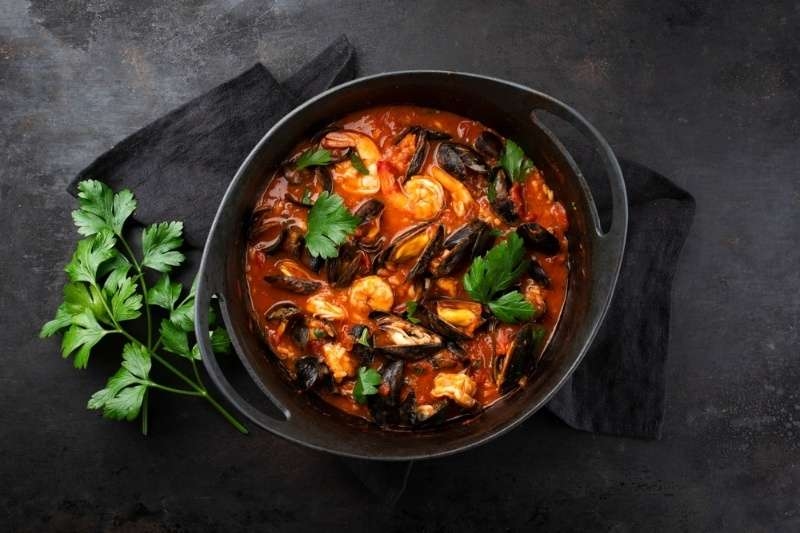
Cooking gumbo at home sounds tricky at first. It isn’t. It’s slow, yes. A bit messy too. But once you get the rhythm, it becomes almost comforting—stirring, waiting, tasting. Gumbo is one of those dishes that feels heavy with history, yet it sits easily on your table. You don’t need fancy tools, just patience and some attention to detail. The flavors build quietly, layer by layer. Sometimes you rush, and it fails. Sometimes it surprises you. In this blog, you’ll learn how to make a rich, balanced gumbo that actually tastes right.
A good gumbo recipe is not about speed. It’s about control. Heat, timing, texture — they matter more than exact measurements.
At its core, gumbo is a thick stew built on a roux. That roux decides everything. Too light, the flavor stays weak. Too dark, it turns bitter. Somewhere in between—that's your sweet spot.
It’s not just a stew. It pulls from Cajun and Creole roots, mixing French technique with local ingredients. You’ll notice:
It feels rustic. Not perfect. That’s the point.
Don't Miss: Plant-Based Recipes Guide for Healthy and Easy Vegan Meals
If you’re new, keep it simple. Don’t chase perfection on day one.
That’s it. Not fancy. Works.
Authentic Cajun gumbo leans darker and deeper. Fewer tomatoes. More smoke.
The roux here goes almost chocolate brown. Some people even push it further. Risky move though—one second too long, it burns.
You don’t rush Cajun gumbo. Let it sit. Simmer low. Stir sometimes, not too often. And here’s something small but important — don’t overcrowd the pot. Ingredients need space to cook properly.
Some cooks even let gumbo rest overnight. The next day, it tastes better. Not always practical, but true.
Seafood gumbo feels lighter but can still hit hard if done right. Shrimp, crab, and sometimes oysters—all go in. Timing matters more here than anywhere else.
Overcook seafood — it turns rubbery. Happens fast. Watch it.
Suggested Reading: Creamy Butternut Squash Ravioli Recipe for Easy Fall Dinner
This version sits somewhere in the middle. Rich, filling, slightly smoky.
It’s heavy. But satisfying.
People overcomplicate gumbo. They shouldn’t.
Here are things that make a real difference:
And one more—gumbo thickens as it sits. Don’t panic if it feels thin early on.
Some mistakes show up again and again.
Also, too many ingredients can confuse the flavor. Keep it controlled.
Also Read: How to Grill Pizza Perfectly at Home: Step-by-Step Guide
Gumbo’s all about patience, not perfection. Pay attention, tweak things as you go, and trust your gut—you don’t need to follow a recipe to the letter. Honestly, you’ll mess it up a couple of times (everyone does), but one day it just works. Suddenly, the taste is richer, the texture is spot-on, and you know you’ve made something special. Don’t overcomplicate things, don’t rush, and listen to your senses more than strict measurements. Eventually, your gumbo becomes yours—uneven here and there, maybe a little rough around the edges, but packed with flavor and personality.
Yes, but it won’t taste the same. Some use okra or filé powder to thicken instead. It works, but the depth from the roux is missing. You’ll notice the flavor feels lighter, less layered overall.
Plain white rice works best. Long-grain is common. You want it fluffy, not sticky, so it absorbs the gumbo properly. Basmati can work too, but keep it simple and not overly fragrant.
Yes, gumbo freezes well. Let it cool fully and store it in airtight containers. Reheat slowly to keep texture intact. Stir while reheating so it doesn’t separate or stick to the bottom.
Somewhere in between. Not too thick like gravy and not watery either. It should coat the spoon lightly. If it thickens too much, add a bit of stock and adjust.
This content was created by AI